

Authored by Nicholas Oliver Corey Kuzik
Reviewed by Stephen Carrell, PGY-4 at University of Alberta
Edited and posted by Yosra Er-reguyeg
February 21, 2026 | 4 min

If you’re preparing for an ophthalmology elective, you’re probably worried about missing something sight or life threatening. Such as, but certainly not limited to:
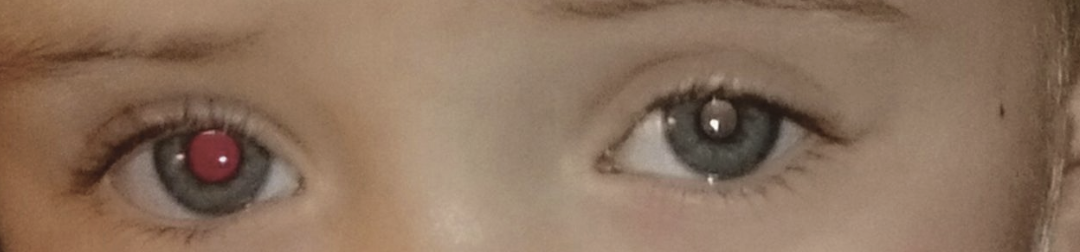
Those are real. They matter. And you should know they exist. But they are not what most of your day will look like. Most consults don’t come labeled with diagnoses. They come in as symptoms.
There is sometimes a perception that one must be an exhaustive encyclopedia of symptoms and diagnoses, able to perform every clinical test flawlessly. This can create unnecessary pressure for learners who have not yet completed their medical degree, let alone the several years of residency training required to develop true expertise in ophthalmology (and additional fellowship training for those who pursue subspecialization).
In practice, expectations for medical students on ophthalmology electives are far more reasonable and achievable. That said, students who wish to make a strong and positive impression are generally expected to:
A resident told me it wasn’t until late in their third year of residency that it became easier to conduct a targeted history and physical exam. That’s around three, or more, years of dedicated pattern recognition training.
If you are not at this level of pattern recognition, then you and I should focus on learning how to take a broad and systematic history. As it turns out, Part 1 of this series will focus on this exact skill! Then throughout the rest of the series, this skill will be reinforced by focusing on findings that should start to sound the alarms.
This is the part that feels vulnerable.
You are a day into your elective, only 95% confident you could get past the word ophthalmology on a spelling bee, but you’ve gathered all your information and need to be able to do your best with the statement:
“I think this is most likely ___ because ___. For treatment, I recommend ___”
And if you really want to shine, you might say, “other things I am considering are______ because they can also present like this. I would order this imaging or lab work test to rule them out”
You might be wrong. That’s fine. In fact, being wrong is one of the best ways to learn. It’s how your pattern recognition improves. Making a prediction, even one that is impressively incorrect, ensures your learning is active. Bonus points: even if you’re wrong you may end up flexing your ability to systematically reason through a problem.
While you are not expected to recognize aniridia, there are “Can’t Miss” diagnoses that you…well... can’t miss, or at least shouldn’t miss because of how serious they are. These are the major sight threatening or life threatening conditions that linger on a differential because of how severe the consequences would be if they are not managed in a timely fashion. Some examples, though certainly not the complete exhaustive list, include:
Most patients will not fall into this bucket. But you should be able to recognize when something feels concerning and communicate that clearly to your resident or attending. That’s why structure matters more than memorization.
Each month, we’ll take one common symptom and work through it. Not as a memorization exercise, but as a way to practice:
Remember you are training to become reliable, systematic, and safe. That’s what gets noticed during your elective. But before we get into the heart of the series, we’ll start with the ophthalmology history and physical exam.
Next month:
The History and Eye Exam You Actually Need on Ophthalmology Electives


